California FTB entity penalty estimate

California Penalty Calculator for Entities

Estimate the late-payment penalty and interest on California's $800 minimum franchise tax or annual entity tax. Select the tax year, entity type, and the date your payment will be postmarked.

Minimum Franchise Tax Penalty Calculator

Calendar-year entities only. Amount defaults to the California $800 minimum/annual tax.

Estimate only
$800 fixed

This calculator is fixed to the California $800 minimum tax.

Optional penalties that can make the notice higher

Used only for late-filing penalties.

Uncheck this if the return was filed on time and only the $800 payment was late. The $18-per-owner late-return penalty applies to S corporations, partnerships, and LLCs treated as partnerships. It can be much larger than the $800-tax late-payment penalty.

Due date

-

Late months

-

Penalty

-

Estimated total

-

Unpaid tax
Late-payment penalty formula
Late-filing / demand penalties
Interest on unpaid $800 tax
Interest on penalties
Total estimated interest
Postmark status

Assumptions and sources

Calendar-year assumption: LLC annual tax is treated as due April 15 of the selected tax year. LPs, LLPs, LLLPs, and S corporations are treated as due March 15 after the tax year closes. C corporations are treated as due April 15 after the tax year closes. Weekend due dates roll to the next business day.

Interest estimate: Interest is estimated daily by rate period. If a postmark date goes beyond the latest built-in FTB rate period, the calculator continues using the latest known rate.

Sources: California FTB business due-date guidance, FTB common penalties and fees, FTB Publication 5949, and FTB interest and estimate penalty rates.

This calculator is for planning and education only. FTB may calculate penalties and interest differently based on payments, credits, notices, filing status, entity history, disaster relief, or other facts.

Anyone may arrange his affairs so that his taxes shall be as low as possible; he is not bound to choose that pattern which best pays the treasury. There is not even a patriotic duty to increase one's taxes. Over and over again the Courts have said that there is nothing sinister in so arranging affairs as to keep taxes as low as possible. Everyone does it, rich and poor alike and all do right, for nobody owes any public duty to pay more than the law demands.


Judge Learned Hand
Chief Judge of the United States Court of Appeals
for the Second Circuit
Gregory v. Helvering, 69 F
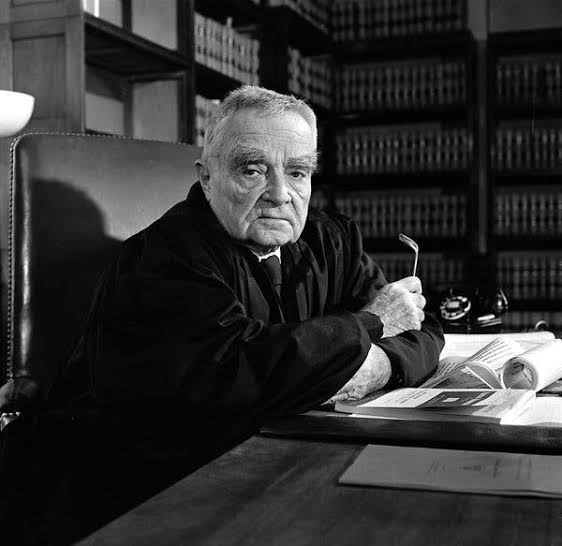
Judge Learned Hand
Text

Text anytime!

Joe "Tax Help Guy"
951 203 9021


Download my contact info